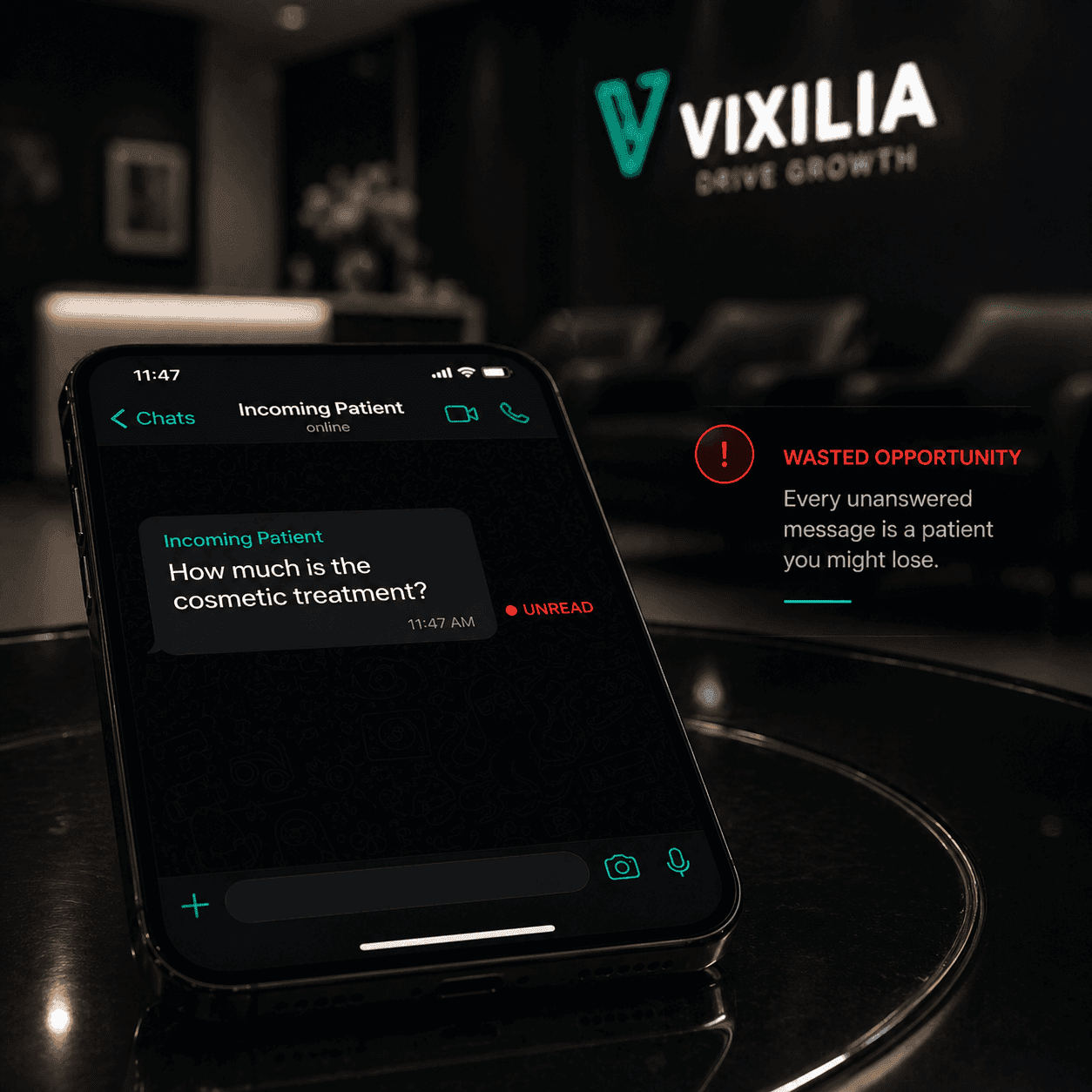
Marketing Spend vs. Marketing Investment: How to Stop Wasting Money on Ads
Why aren't your ads driving sales? Discover how to move past vanity metrics and build a data-driven marketing strategy that maximizes your business ROI.
![[Author Name], [Job Title] at Vixilia, specializing in B2B marketing strategy and business growth.](https://framerusercontent.com/images/JpVNuhkoPe7okdVYetP2U1mTE.jpg?width=720&height=720)
Shaimaa Galal
Mar 12, 2026
10 min read

Are You Spending on Marketing… or Just Losing Money?
Many businesses spend a significant portion of their budget on marketing. They run digital ads every day and watch the surface numbers: views, likes, and direct messages. On paper, everything may look fine. But when you ask the real business question—are these vanity metrics turning into real revenue and results?—things become less clear. Sometimes what looks like progress is only digital activity, not real business growth.
Where Is the Real Problem?
The issue is usually not the marketing itself, but how the marketing strategy is managed. When ad campaigns run without a clear goal, a defined target audience, or a measurable outcome, marketing becomes random. Ads are launched, some surface numbers are reviewed, and then new campaigns start without fully understanding what drove ROI (Return on Investment) and what did not. Over time, it becomes difficult to tell the difference between a strategy that brings results and one that simply consumes your marketing budget.
The Illusion of Surface Metrics
Let’s be clear: High reach is not business success. A large number of messages is not enough. Even strong social media engagement does not always mean real financial results. You may reach thousands of people and receive many inquiries, but without actual booked appointments or closed sales, it means very little. This is where the real issue appears—focusing on vanity metrics that look good instead of conversion metrics that deliver actual value.
"The difference is not about how much you spend, but how you manage it."
The Real Metric: What Happens After the Ad?
Marketing should not be measured only by what happens inside the ad campaign dashboard. What matters most is what comes after the click.
How many highly qualified, real clients did you get?
How many actual bookings or closed sales were made?
What true return on investment (ROI) did you achieve compared to your ad spend? Without clear, trackable answers to these questions, your performance picture is incomplete, no matter how good the front-end numbers look.
When Marketing Is Separated from Sales
A common and costly mistake is treating marketing and sales as two entirely separate departments. The focus stays entirely on attracting top-of-funnel attention, but there is no structured follow-up on what happens next. There is no clear tracking of the complete client journey, no understanding of exactly which campaign the client came from, or why they dropped off before completing the sales process. Without this critical sales and marketing alignment, improving your conversion rate becomes difficult because strategic decisions are based on blind assumptions, not real performance data.
The Difference Between Spending and Investing
The real difference is not about how much budget you spend, but how systematically you manage it. Spending means running campaigns without clear revenue goals, without proper tracking, and without ongoing data analysis. Investing means every single marketing decision is based on data. Every outcome can be explained. Every step of the funnel can be optimized and improved. With the exact same budget, you can get drastically different financial outcomes depending entirely on how you approach your strategy.
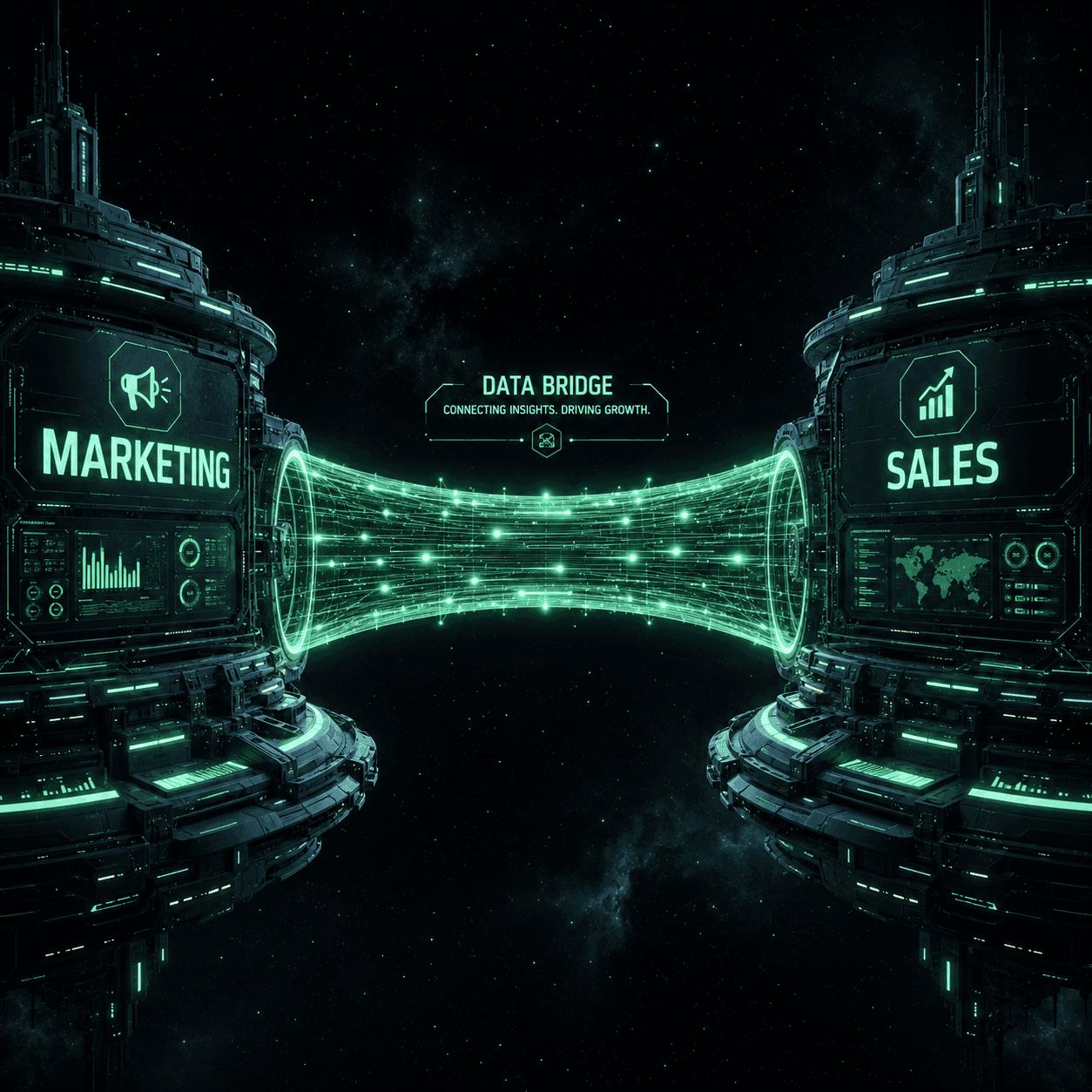

What Does Data-Driven Marketing Mean?
Data-driven marketing is not just about collecting endless spreadsheets of numbers. It is about using actionable data to make clear, profitable business decisions.
Scale: Which high-performing campaigns should continue?
Invest: Where exactly should you increase your marketing budget?
Cut: What underperforming ads should you stop immediately? These critical decisions should never rely on guesswork. They should come from real, verifiable performance tracking that can be measured accurately. Over time, this shifts your marketing from uncertain gambling into a highly controlled, predictable growth system.
How Does the Picture Become Clear?
When you accurately track the full end-to-end client journey—from the very first ad impression to the final purchasing decision—you start to see things with absolute clarity. You understand exactly what hooks your ideal clients, what drives them to take action, and precisely where in the funnel you lose them. At this advanced point, marketing transforms into a scalable system you can continuously optimize, not just random promotional activity.
How We Approach Marketing at Vixilia
At Vixilia, marketing is not treated as simply running ads. It is a deeply connected, strategic process that starts with a clear financial goal and ends with real, measurable business results. We focus entirely on understanding the real numbers, linking marketing performance directly with closed sales outcomes, and rigorously tracking the full client journey. Our ultimate goal is not to artificially inflate your surface metrics, but to build a clear, data-backed ecosystem that supports better business decisions and sustainable revenue growth.
*** Are you ready for me to generate the Midjourney/DALL-E image prompts for this article, focusing on the dark-mode Vixilia aesthetic?
Share Post: